
An energy audit firm in Bangladesh measures how a facility uses electricity and fuel and finds where energy is wasted. TOTO POWER Engineering audits lighting, motors, compressed air, air conditioning and power quality at factories and commercial buildings, then recommends practical energy-saving measures ranked by cost and payback period.
Last updated: 7 October 2026
As an energy audit firm in Bangladesh, TOTO Power Engineering measures how factories and commercial buildings use energy, finds where it is wasted and ranks the fixes by cost and payback. The audit is part of our wider safety and engineering assessment services.
Your electricity bill arrives. Again. You scan the number. It has gone up again. Your factory floor hums, your AC units roar, and somewhere deep inside the meter, money bleeds quietly into the Dhaka heat. To stop this waste, conducting an energy efficiency audit is the first step. You may assume this is simply the cost of doing business in Bangladesh. It is not.
Across the country, many commercial buildings and industrial facilities use more energy than they need to, through ageing equipment, poor maintenance and systems that were never tuned after installation. Meanwhile, electricity tariffs in Bangladesh have risen in recent years, squeezing margins that were already tight. Most business owners quietly absorb this pain. The smart ones call an energy efficiency auditor.
This guide will show you how to find the right firm, what to expect from the process and, most importantly, how to turn audit findings into real, bankable savings.
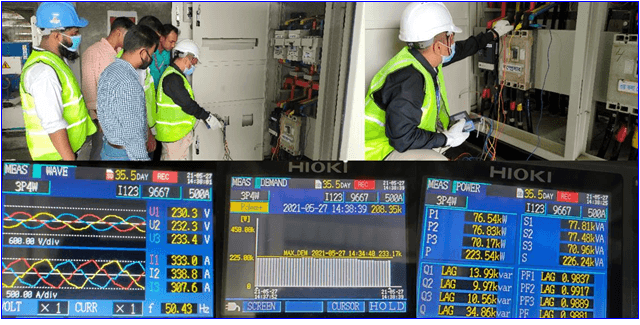
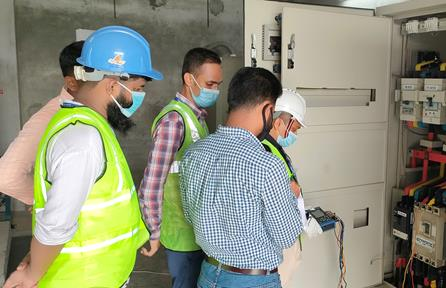
An energy audit is a systematic review of how a site uses energy. The auditor collects historical bills and production data, measures the main loads on site, establishes a baseline and identifies energy conservation measures (ECMs). Each measure is costed, its saving is estimated and the measures are ranked so management can decide what to do first. ISO 50002 describes this process and is a useful reference when you compare proposals.
Before you hire anyone, you need to understand the problem clearly.
Consider a typical mid-sized garment factory in Gazipur. The owner believes his energy costs are normal for the industry. A detailed energy efficiency audit, however, can reveal that the compressed air system is leaking through ageing fittings, the lighting still runs on T8 fluorescent tubes that draw far more power than equivalent LEDs, and the chiller is operating below its rated efficiency because nobody has cleaned the condenser coils in years.
Problems like these are invisible on the electricity bill but easy to measure on site. Once they are quantified, many of them can be fixed with maintenance or low-cost changes, and the larger investments can be planned with a clear payback period.
This is not an outlier story. It is a pattern. Furthermore, as Bangladesh works towards its Nationally Determined Contributions under the Paris Agreement, international buyers, especially from the EU and North America, are increasingly asking their Bangladeshi suppliers for verified sustainability credentials. An audit, therefore, is both a cost-cutting tool and a competitive advantage.
There are many energy audit companies in Bangladesh, and not all auditors are equal. Your selection process matters as much as the audit itself.
Check the auditors' qualifications. In Bangladesh, energy auditors can be accredited through the Sustainable and Renewable Energy Development Authority (SREDA), and some hold international credentials such as the Certified Energy Auditor (CEA) designation from the Association of Energy Engineers (AEE). Also look for firms with experience auditing your specific industry; a textile factory and a cold-storage facility have entirely different energy profiles.
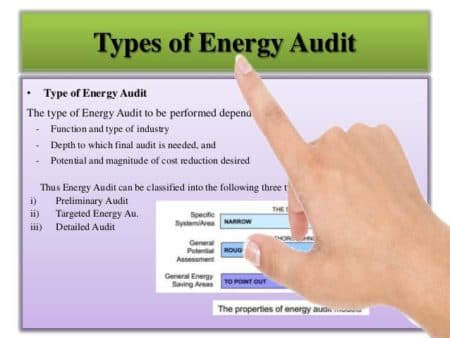
Level 1 (Walk-Through Audit): A basic site inspection that identifies obvious waste. Suitable for small commercial offices.
Level 2 (Energy Survey and Analysis): Includes metering, data logging and detailed cost-benefit analysis per measure. This is the right starting point for most factories and commercial buildings.
Level 3 (Investment-Grade Audit): Full engineering analysis, financial modelling and contractor-ready specifications. Needed before large capital investments such as cogeneration or solar.
Before signing any contract, request a redacted sample report from a previous client. A strong report will include baseline energy consumption data, a ranked list of energy conservation measures (ECMs), projected savings with payback periods, and implementation specifications. If a firm cannot show you this, walk away.
We do not publish a fixed price, because the work involved varies widely. The fee is set by:
Share your recent electricity bills and a short description of the facility and we will send you a quotation.
Choosing the right firm makes the difference between a report that gathers dust and one that genuinely cuts your bills.
TOTO Power has been delivering engineering consultancy services across Bangladesh since 2011. We are a DIFE-enlisted firm with engineers experienced across garment factories, commercial buildings, industrial facilities and pharmaceutical plants. When our team conducts an energy efficiency audit, we bring hands-on knowledge of how Bangladeshi facilities actually operate, not just textbook methodology.
Moreover, we do not stop at identifying problems. We give you a ranked action plan with realistic payback figures so your management team can make confident investment decisions. Our engineers understand local equipment, local tariff structures and the compliance expectations of international buyers, including EU and North American sourcing partners who now ask for verified sustainability credentials.
Beyond the audit itself, TOTO Power offers complete electrical solutions, thermography scanning and technical manpower support. This means we can help you implement the changes we recommend, not just hand over a report. As a result, you work with one team from assessment through to execution.
Our clients span textiles, garments, engineering, healthcare and construction, so we have seen how energy is used, and wasted, across many different types of facility.
If you are ready to stop overpaying for energy and start building a verifiable sustainability record, TOTO Power is ready to help. Contact us to schedule your energy efficiency audit.
Once you have selected your firm, the process unfolds in four phases. Understanding each phase prevents surprises and helps you prepare your team.
The auditor will request 12–24 months of utility bills, equipment inventory lists, production records and building drawings. Gather these before the auditor arrives, because delays here directly delay your savings.
During this phase of the energy efficiency audit, the audit team walks through your facility with thermal imaging cameras, power quality analysers, ultrasonic leak detectors and light meters. They also interview your maintenance staff, because front-line workers often know exactly where energy is disappearing; they have simply never been asked.
Back in the office, the firm models your baseline energy consumption and calculates the impact of each potential intervention. A good auditor will prioritise measures by three criteria: savings potential, implementation cost and disruption to operations.
The final report is only valuable if your team can execute it. Insist on a debrief meeting where the auditor walks your engineering team through each recommendation. Ask specifically which measures can be implemented without capital expenditure; behavioural and operational fixes can often start saving immediately.
Across industrial and commercial sites, three systems repeatedly emerge as the biggest offenders.
Bangladesh's heat and humidity force facilities to run cooling equipment almost year-round. However, many facilities never commission or recommission their HVAC systems after installation. Oversized chillers cycling on and off, dirty filters forcing fans to work harder, and refrigerant leaks reducing efficiency: these problems compound silently. In commercial buildings, HVAC is usually one of the largest electricity loads.
Industrial motors running at fixed speed when variable-speed drives (VSDs) could match power to actual demand are a common finding, and fitting VSDs is often one of the most cost-effective upgrades in Bangladeshi manufacturing. Rewound motors can also run below their original efficiency, and nobody notices unless an auditor measures it.
Despite rapid LED adoption, many Bangladeshi facilities still operate mixed lighting, with some areas upgraded and others running decades-old fluorescent technology. An auditor will identify these gaps and calculate the retrofit cost and payback for each area.
ISO 50002 is the international standard for energy audits. It defines what the auditor and the client agree at the start, what data is collected and measured, and what the final report must contain. Audits can also support an ISO 50001 energy management system. In Bangladesh, SREDA is the government authority responsible for energy efficiency and conservation, and electrical measurements on site are carried out in line with safe working practice for low-voltage installations (IEC 60364).
An energy efficiency audit is not just an expense. It is an investment with a measurable return, and the report tells you which measures pay back first.
Here is your action plan starting today:
Bangladesh is at a turning point. International buyers want green credentials, energy costs keep rising and regulatory attention on industrial energy use is growing. The businesses that act now will lock in savings, attract better buyers and build a genuine sustainability story.
Your competitors may still be paying full price. You do not have to.
An energy audit firm studies how a facility uses electricity, gas and diesel, measures the main systems on site and identifies where energy is wasted. It then recommends energy conservation measures, each with an estimated saving, cost and payback period. TOTO Power Engineering audits factories and commercial buildings across Bangladesh and can also help implement the measures it recommends.
Compare the audit level each company is offering, the measuring instruments it will use on site, its experience with facilities like yours and the qualifications of the auditors. Ask for a redacted sample report and check that it contains a measured baseline, a ranked list of measures and payback calculations. Comparing on price alone usually buys a shorter visit and a thinner report.
ISO 50002 sets out the principles and process for an energy audit: planning, an opening meeting, data collection, measurement, site visit, analysis and reporting. Many audits also follow the levels of detail used internationally, from a walk-through audit to an investment-grade audit. In Bangladesh, the Sustainable and Renewable Energy Development Authority (SREDA) oversees energy efficiency and auditor accreditation.
The fee depends on the audit level, the size and type of facility, the number of systems to be measured, how long instruments must log data and the depth of the financial analysis required. A walk-through audit of a small office costs much less than a detailed audit of a large factory. We provide a written quotation after reviewing your bills and facility details.
Timing depends on facility size and audit level. A walk-through audit can be completed quickly, while a detailed audit needs time to collect bills, log loads over representative operating periods, analyse the data and prepare the report. We agree a programme with you at the start, including when our team needs access to each area and when the draft and final reports will be issued.
Yes. Beyond the audit, we provide complete electrical solutions, thermography, power factor and power quality improvements, and technical manpower. That means we can design and carry out many of the measures in the report, such as lighting retrofits or electrical upgrades, and then measure the result, so you work with one team from assessment through to verified savings.
