

Transformer Company in Bangladesh: Supply, Installation & Types
Last updated:
As a transformer company in Bangladesh, TOTO POWER Engineering supplies, installs, tests and commissions distribution and power transformers for factories, commercial buildings and substations, together with the switchgear, cabling and earthing they need. Before energising, we can also arrange a transformer oil test and an electrical design check of the transformer rating against your load.
Transformers in Bangladesh are amazing lifesavers for industries and businesses. Let’s face it, electricity is the juice that keeps a business’s wheels turning. If you run a bustling textile mill, manage a commercial high-rise, or operate a hospital, you count on a steady stream of electricity. But here’s the kicker. Power plants produce electricity at a very high voltage that would instantly damage your average gadgets if it hit them directly. And this is why transformers are such amazing lifesavers.
Picture a transformer as the supreme electrical voltage middleman. High-voltage power is reduced so your equipment can use it safely, or increased so electricity can be transmitted long distances without losing power.
Thus, selecting the proper transformer is one of the most important decisions you will make when developing a new industrial plant or redesigning a facility’s power system.
To help you out, in this article we will take you through all you need to know about transformers right here in Bangladesh and how to choose a transformer that won’t let you down.
Our Transformer Range
Transformer Products Available from Toto Power
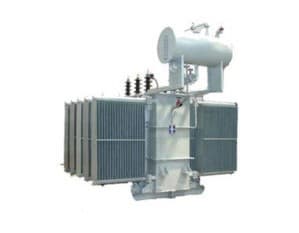
Custom Electrical Transformers
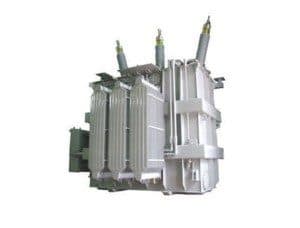
Electrical Power Transformer
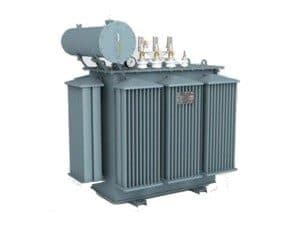
Electrical Transformer
So What’s a Transformer, Anyway?
In essence, a transformer is a clever electrical device that moves energy from one circuit to another by a process called electromagnetic induction.
In layman’s terms, it converts voltage levels without changing the electrical frequency.
For example, the raw electricity coming directly from a major grid is simply too intense for a local textile machine. So you put in a transformer, drop that voltage, and you have a safe, useful current.
Utilities, however, use them to crank the voltage way up before transferring power across miles of transmission lines. That is the only way we can move electricity across the country effectively.
The Significance of Transformers
They are vital for the survival of modern industries in Bangladesh. A good transformer does a lot of heavy lifting behind the scenes:
- Keeps your power on when the local power grid is flaky.
- Makes energy use more efficient so you’re not throwing money away on waste.
- Reduces transmission losses to the minimum.
- Protects your expensive machinery.
- Makes production lines run smoothly without any unplanned stoppage.
- Also, prevents terrible electrical accidents.
And honestly? Having the right equipment in the first place will save you a fortune in repair bills down the road. Fewer headaches. Less hassle. Every day.
What Really Happens Inside a Transformer?
You don’t have to be an engineer to get the gist of it. A typical transformer is made of two main coils of copper wire:
- The primary winding (where the power enters)
- The secondary winding (from which the converted electricity goes out)
Passing alternating current through the primary coil creates a magnetic field. The field then pulses through the iron core of the transformer and induces a brand new voltage in the secondary coil.
The neat thing? The two circuits are physically isolated from each other. Just regular old physics doing all the work behind the scenes, quietly and effectively.
Popular Types of Transformers
All transformers are not made equal. Depending on what you are trying to power, you will need to look at a certain design.
Transformers by Role in the Power Network
1. Distribution Transformers
These are the workhorses you see around neighborhoods and business districts. A distribution transformer takes power at medium voltage from the municipal lines and reduces it to supply residences, offices, and smaller workshops. They handle variable loads like pros, and they run 24/7 even when conditions change.
2. Power Transformers
The big guys. Power transformers work in large power stations and large substations, and deal with tremendous voltages in high-capacity transmission networks. They matter most if you run a big industrial complex or manage utility distribution.
Transformers by Cooling and Insulation
3. Oil-Immersed Transformers
These units are filled with a special mineral transformer oil for cooling and insulating purposes. Oil pulls heat away swiftly, so these devices can take a battering. They are typically found outside manufacturing companies, heavy industries, and utility substations.
4. Dry Type Transformers
Dry type transformers are not oil-filled but are cooled by natural air circulation. There is no combustible oil involved, making them considerably safer against fire risks. This makes them the preferable choice for indoor situations such as hospitals, schools, shopping malls and office skyscrapers.
Transformers by Voltage Conversion
5. Step-Up Transformers
They do what they say. They raise low voltage. In power plants, they raise the voltage levels before the electricity is sent over long distances.
6. Step-Down Transformers
These do the opposite, stepping a high voltage down to a safe level. You’ll see them right before power reaches industries, office parks, and residential neighborhoods. You couldn’t run modern appliances and industrial machinery without them.
Where Do They Work?
It would be uncommon to find an industry that doesn’t need a transformer. They are used all throughout Bangladesh:
- Textile and garment factories
- Pharmaceuticals
- Multi-storey shopping malls and commercial centres
- Hospitals & diagnostic centers
- Luxury hotels & resorts
- Schools & universities
- Data centers running 24/7
- Renewable energy installations (e.g. utility-scale solar plants)
- Grid & utility substations
With industry developing all over Bangladesh, the need for reliable, rock-solid power solutions has never been stronger.
Selecting the Correct Transformer
Buying a transformer is not as simple as pulling one of a given capacity off the shelf. You should look more closely at some of the practical details.
1. Maximum Load
First, figure out your existing power use—but that’s only the beginning. Then factor in your plans for future expansion. If you purchase a unit with a bit of breathing space, you won’t overload your system further down the line.
2. Voltage Specifications
Match your exact input and output voltages. If the specs aren’t what your facility needs, your gear is just not going to run right.
3. Installation Environment
Where is this thing going? An oil-immersed type is usually best if you want to leave it outside in the yard. But in a basement mechanical room or tight building, a dry-type transformer will make fire safety inspectors happy.
4. Energy Efficiency
Sure, high-efficiency models can cost a little more up front, but they save you electricity costs month after month. Over the life of the unit, that efficiency pays for itself many times over. An energy audit of your facility can show where those savings come from.
Maintenance Keeps Transformers Reliable
Getting a new transformer installed is only half the battle. If you want it to last for decades, you have to take care of it. Time, heat, dust, humidity and constant heavy loads take their toll.
Routine check-ups, such as thermal testing, discover the tiny things, like weak connections or bad oil quality, long before they become catastrophic problems. A professionally maintained system runs cooler, lasts longer and thereby protects your workplace from sudden electrical fires or sudden outages. Preventative maintenance is always cheaper than emergency downtime.
Why Quality Always Wins Over Price
The cheapest unit on the market is alluring, but bargain-hunting with electrical equipment often backfires. Low-cost transformers are susceptible to high energy loss, failures, and high maintenance costs.
Instead, look for units that have been manufactured to strict international quality standards. A good quality transformer will give you consistent voltage, improved efficiency and the confidence that your production line won’t come to a standstill due to equipment failure.
That’s exactly where dealing with an experienced supplier makes a huge impact. A good supplier will help you size the unit appropriately, guide you through installation and back you up with dependable after-sales service, not just drop a box on your doorstep.
How to Choose the Right Partner in Bangladesh
Both what you buy and where you buy your heavy electrical infrastructure are important. You want a team that looks at how much load you actually have, plans for your future growth, and then makes a suggestion based on a custom setup, not a standard one.
This is where companies like Toto Power Engineering step in.
In Bangladesh, Toto Power has made a name for itself in providing reliable electrical engineering solutions. We don’t just sell equipment; we work with you and understand your project from the ground up to find the right balance of performance, safety and long-term value, including matching electrical switchgear to your transformer.
We offer full life cycle support, from initial technical consultation and site design through to installation, testing and long-term maintenance. Ultimately, having a committed partner like Toto Power is a turning point for businesses looking to build a safer, more resilient energy network in Bangladesh.
Frequently Asked Questions
How do I know what size of transformer to use for my project?
It is all about your total electrical load, your operating voltages, and allowing for growth. The best thing is to have an expert come in and complete an electrical inspection.
Which is better: a dry-type or an oil-immersed transformer?
Where you put it makes all the difference. Oil-immersed units are well suited for outdoor cooling. Dry-type units are safer and more suitable for indoor locations where fire safety is a concern.
How often should you inspect a transformer?
Make routine checkups part of your normal maintenance cycle so you catch tiny issues early. How often depends on your operational environment.
Is the extra cost of an energy-efficient transformer really worth it?
Yes, of course. These models make financial sense in the long run, saving a lot of energy over the years.
Need the Right Transformer for Your Facility?
Talk to Toto Power Engineering about sizing, installation, testing and maintenance. Contact our engineering team or call +8801705402242.