

Transformer Oil Test in Bangladesh
A transformer oil test in Bangladesh checks the insulating oil of an oil-filled transformer to judge the condition of both the oil and the transformer. Tests such as breakdown voltage, moisture, acidity, interfacial tension and dissolved gas analysis show whether the oil still insulates properly and reveal developing faults before they cause a failure.
A regular transformer oil test in Bangladesh is one of the cheapest ways to protect one of the most expensive items in a factory or building substation. The oil insulates the windings and carries heat away, and as it ages or becomes contaminated, it also records what is happening inside the tank. TOTO POWER Engineering, an engineering consultancy operating since 2011 and enlisted with the Department of Inspection for Factories and Establishments (DIFE), arranges oil sampling, testing and interpretation for industrial and commercial transformer owners from our Dhaka and Chittagong offices.
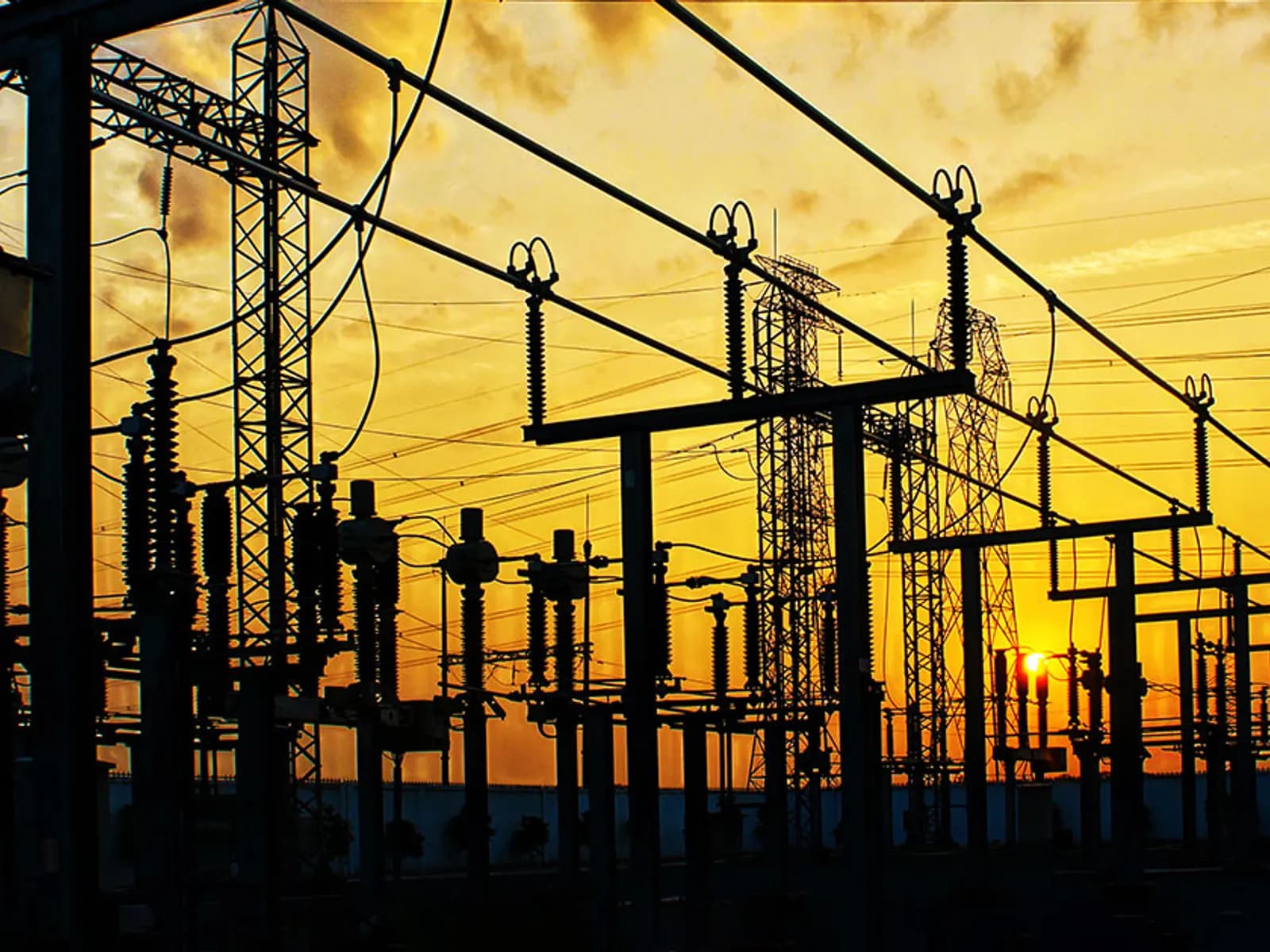
What is a transformer oil test?
Mineral insulating oil in a transformer has two jobs: it provides electrical insulation between live parts, and it cools the windings and core. Over time heat, oxygen and moisture age the oil. It absorbs water, forms acids and sludge, and loses its insulating strength. Faults inside the transformer also leave traces in the oil in the form of dissolved gases and paper breakdown products.
A transformer oil test is a set of physical, chemical and electrical tests on a small oil sample. Some tests describe the oil's own condition. Others, such as dissolved gas and furan analysis, are used to diagnose the condition of the transformer itself, including the paper insulation that cannot be replaced without a rebuild.
Which tests are included and what do they reveal?
| Test | Typical method | What it reveals |
|---|---|---|
| Dielectric breakdown voltage (BDV) | IEC 60156 / ASTM D877 | Insulating strength; reduced by moisture, fibres and particles |
| Water content | Karl Fischer titration | Moisture in the oil, and indirectly in the paper insulation |
| Acidity (neutralisation number) | Titration | Oxidation and ageing of the oil; risk of sludge |
| Interfacial tension (IFT) | Ring or drop method | Polar contaminants and early oxidation products |
| Dissipation factor (tan delta) and resistivity | Test cell at controlled temperature | Dielectric losses from contamination and ageing |
| Colour and appearance | Visual / colour scale | Quick indicator of ageing, sludge, water or particles |
| Dissolved gas analysis (DGA) | Gas chromatography; IEC 60599 / IEEE C57.104 interpretation | Overheating, partial discharge and arcing inside the tank |
| Furan analysis | Liquid chromatography | Ageing of the paper insulation; remaining life |
Not every transformer needs every test every time. For a small distribution transformer, BDV, moisture, acidity and appearance may be enough for routine checks. For large power transformers, or units with a history of problems, DGA and furan analysis add valuable diagnostic information.
Who needs transformer oil testing?
- Factories with their own 11 kV or 33 kV substations, where a transformer failure stops production.
- Commercial buildings, hospitals and data centres that depend on continuous power.
- Owners of new or repaired transformers who want to confirm the oil is fit before energising.
- Compliance and maintenance managers preparing for electrical safety audits that ask for transformer maintenance records.
How is a transformer oil test done?
- Planning. We record the transformer rating, voltage, age, oil type and maintenance history, and agree which tests are needed.
- Sampling. An engineer takes the sample from the sampling or drain valve after flushing the valve, using clean, dry glass bottles for general tests and gas-tight syringes for DGA, avoiding air bubbles and exposure to humid air.
- Labelling. Each sample is labelled with the transformer identity, oil temperature, load, weather and date, because these affect the results.
- Testing. Samples are tested on site with suitable equipment or sent to a qualified laboratory, depending on the tests required.
- Interpretation. Results are compared with IEC 60422 limits for the transformer category, and DGA results with IEC 60599 or IEEE C57.104, taking previous results and trends into account.
- Report and recommendations. We classify the oil condition and recommend the action and the next test date.
How are the results interpreted?
IEC 60422 groups transformers into categories by voltage and importance and gives limits for each test that place the oil in a "good", "fair" or "poor" condition. A single poor result does not always mean an emergency: low BDV caused by moisture can often be corrected quickly. The trend matters more than one value. A steady rise in acidity or a fall in interfacial tension shows that the oil is oxidising and sludge may soon form on the windings. For DGA, a sudden increase in gases such as acetylene is treated much more seriously than a stable gas level in an old transformer.
What actions follow a transformer oil test?
- Continue in service with the normal test interval if all results are good.
- Filtration and dehydration to remove water and particles when BDV is low or moisture is high.
- Reconditioning or regeneration to remove acids and oxidation products when acidity is high and interfacial tension is low.
- Oil replacement when the oil is too degraded to treat economically.
- Further investigation, such as a thermal test, an insulation resistance test, or an internal inspection, when DGA points to a developing fault.
- Planned replacement of the transformer when furan results show that the paper insulation is near the end of its life. Our transformer team can advise on suitable replacements.
What you receive
- A sampling record for each transformer
- Test results for each parameter tested
- Classification of oil condition against IEC 60422
- DGA interpretation and fault indication, where DGA is included
- Trend comparison with previous results, if available
- Recommended actions and the next test date
Which standards apply?
The main references are IEC 60422 for supervision and maintenance of mineral insulating oil in electrical equipment, IEC 60156 and ASTM D877 for dielectric breakdown voltage, IEC 60599 and IEEE C57.104 for interpreting dissolved gases, and the relevant IEC and ASTM methods for moisture, acidity, interfacial tension and dissipation factor. Transformer maintenance records are also reviewed during an electrical safety assessment, which buyers and DIFE inspections often require for factories.
What does a transformer oil test cost in Bangladesh?
The cost depends on how many transformers are sampled, which tests are included (a basic BDV and moisture check costs less than a full panel with DGA and furan analysis), the site location and whether the work is a single visit or part of an annual maintenance programme. Tell us the number and ratings of your transformers and we will send a written quotation.
Why choose TOTO POWER Engineering?
We do more than return a sheet of numbers. Our electrical engineers interpret the results in the context of your transformer's age, load and history, explain what they mean in plain language, and recommend practical, prioritised actions. Because we also carry out thermal imaging, insulation resistance and earth resistance tests and full electrical safety assessments, we can look at the whole substation rather than the oil alone.