

Crane Load Test in Bangladesh
A crane load test in Bangladesh proves that a crane or other lifting equipment can safely carry its rated load. An engineer examines the crane, then lifts a measured test load above the safe working load, as the applicable standard or manufacturer specifies, checks brakes, limit switches and structure, and issues a certificate stating the safe working load.
A crane load test in Bangladesh gives the factory or site owner written proof that each crane can lift its rated load without failure of the hoist, brakes or structure. TOTO POWER Engineering has carried out engineering inspection work since 2011 and is enlisted with the Department of Inspection for Factories and Establishments (DIFE). Our engineers examine, load test and certify cranes and lifting gear at factories, power plants, steel mills, warehouses, ports and construction sites, working from Dhaka and Chittagong.
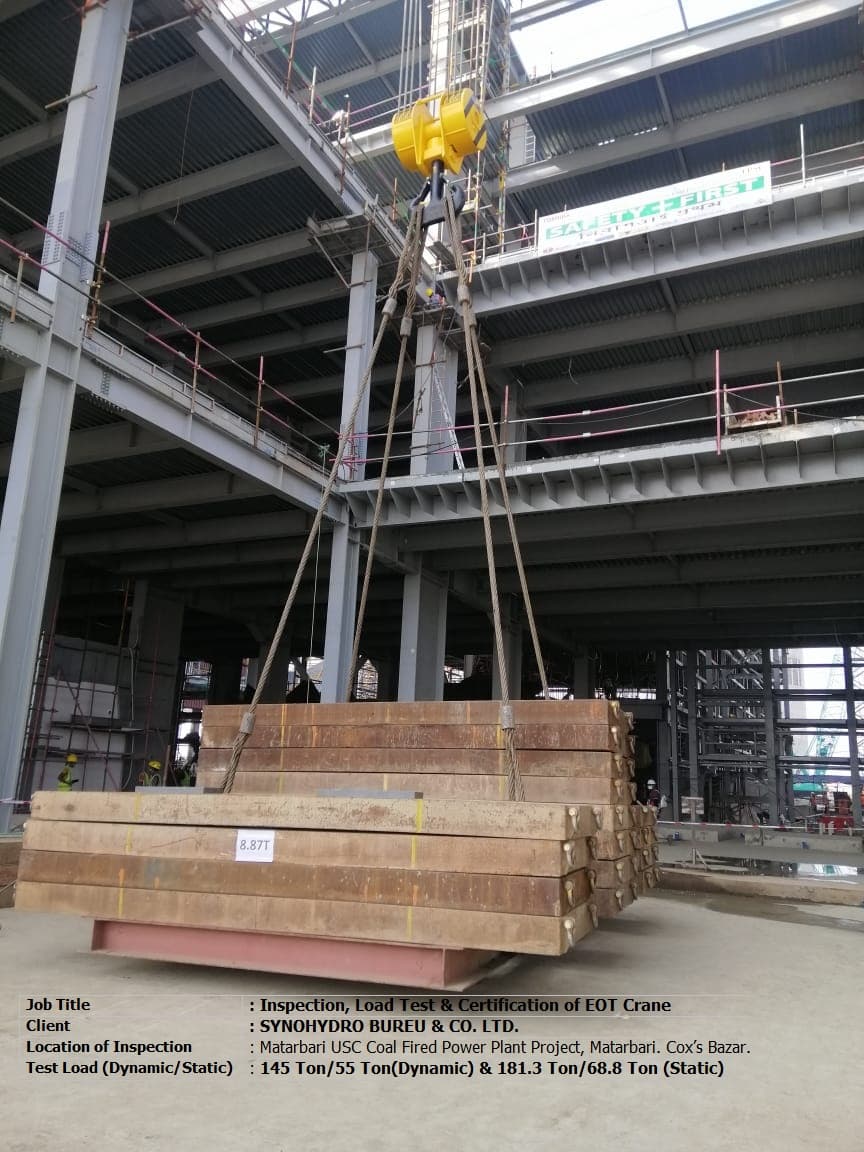
What is a crane load test?
A crane load test is a controlled lift of a known weight, heavier than the crane's safe working load (SWL), to show that the crane, its supporting structure and its safety devices work as designed. It is always preceded by a thorough examination, because a crane with a cracked hook or damaged rope must not be loaded. The test is usually done in two parts:
- Static load test. The test load is lifted a short distance off the ground and held for a set time. The engineer checks that the brake holds without slipping, measures deflection of the girder or boom, and looks for permanent deformation.
- Dynamic load test. A test load is hoisted, lowered, travelled and slewed through the crane's normal motions to check brakes, gearboxes, motors and controls under load.
The test load is set above the SWL as specified by the applicable standard or the manufacturer. Figures such as 125% of SWL for static tests and 110% for dynamic tests are commonly used for overhead cranes, but we confirm the correct value for each crane type before testing.
Which cranes and lifting equipment do we test?
| Equipment | Where it is used | Key checks |
|---|---|---|
| EOT / overhead cranes | Factories, steel mills, power plants, workshops | Girder deflection, hoist brake, end carriages, rails, limit switches |
| Gantry and semi-gantry cranes | Yards, precast plants, ports | Legs and wheels, travel brakes, anti-collision, storm locks |
| Jib cranes | Workstations, loading bays | Column base and anchors, slewing, hoist brake |
| Mobile cranes | Construction and project sites | Outriggers, boom, load moment indicator, hydraulic system |
| Tower cranes | High-rise construction | Foundation and mast ties, slewing ring, moment limiter |
| Electric hoists and chain blocks | Maintenance, production lines | Chain or rope wear, hook latch, brake |
| Slings, shackles, hooks, spreader beams | All lifting operations | Wear, deformation, ID and SWL marking |
What is checked during crane inspection in Bangladesh?
Every load test starts with a thorough examination. During crane inspection in Bangladesh our engineers check:
- Structure: girders, booms, end carriages, welds, bolts and runway rails for cracks, corrosion and deformation.
- Hook and block: throat opening, wear, twist, safety latch and swivel.
- Wire rope inspection: broken wires, kinks, birdcaging, corrosion, reduction in diameter, end terminations and drum anchorage.
- Brakes: hoist, travel and slewing brakes, lining wear and adjustment.
- Limit switches: upper and lower hoist limits, travel limits and overload limiters.
- Electrical controls: pendant or remote control, emergency stop, festoon or conductor bars, and earthing. Wider electrical issues can be covered by an electrical safety assessment.
- Marking: SWL clearly marked on the crane and every block and item of loose gear.
How is load testing of lifting and crane equipment done?
- Planning. We collect the crane's data plate, manufacturer documents and previous certificates, confirm the SWL and agree the test load, location and exclusion zone.
- Thorough examination. The crane and its gear are examined unloaded. Any defect that makes testing unsafe is reported before going further.
- Test load set-up. The load is made up from certified test weights, water bags or a calibrated load cell in the load path, so the actual test load is known.
- Static test. The load is lifted just clear of the ground and held while the brake, structure and deflection are monitored.
- Dynamic test. The load is moved through hoisting, lowering, travel and slewing motions to check operation and braking under load.
- Post-test examination. The crane is re-examined for deformation, cracking or brake slip.
- Reporting and certification. We issue the test certificate and an inspection report with any defects and recommendations.
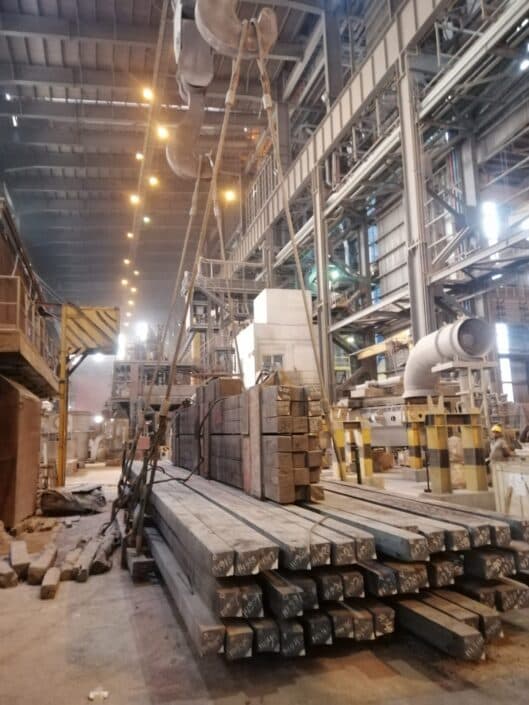
Crane calibration and certification in Bangladesh
Many cranes now carry load indicators, overload limiters or load moment indicators. Crane calibration and certification in Bangladesh checks these devices against a known load, so that the crane cuts out or warns before it is overloaded. We record the indicated value against the actual test load, report any error, and confirm that the cut-out operates at the correct setting. The certificate states the equipment identity, SWL, test load, test date, result and the date the next examination is due.
What you receive
- A load test certificate for each crane, stating the SWL and test load
- A thorough examination report with photographs
- A wire rope condition record
- Calibration results for load indicators and overload limiters
- A lifting gear register for slings, shackles and chain blocks
- A defects list with recommended repairs and priorities
- Next examination due dates
Which standards and rules apply?
The Bangladesh Labour Act 2006 and Bangladesh Labour Rules 2015 require lifting machinery and lifting tackle in factories to be of good construction, sound material and adequate strength, to be marked with their safe working load, and to be thoroughly examined by a competent person at regular intervals, with records kept for inspection by DIFE. Test loads and acceptance criteria follow the manufacturer's instructions and the recognised international crane standard that applies to the crane type. Insurers and export buyers often ask to see current certificates as part of their audits.
How is this different from lift (elevator) inspection?
Cranes and hoists move materials. Lifts, or elevators, carry passengers or goods between floors in a building and have different safety devices, such as overspeed governors, safety gear and door interlocks. If you need passenger or goods lift checks, see our lift (elevator) inspection service. Many factories book both together so that all lifting equipment on site is certified in one visit. For other inspections and tests, browse our testing and inspection services.
What does a crane load test cost in Bangladesh?
The cost depends on the number and type of cranes, their capacity, how the test load will be provided (test weights, water bags or load cell), access and working height, the site location, and whether loose lifting gear is included. Large-capacity cranes need more test weight and handling, which affects the cost. Tell us the crane types and capacities and we will send a written quotation.
Why choose TOTO POWER Engineering?
Our engineers examine the crane before any load is applied, use a measured test load, and write reports that a maintenance team can act on. Because we also inspect electrical, structural and fire safety, we can identify problems around the crane, such as damaged runway beams, weak supporting structures or unsafe power supply, that a narrower test would miss. With more than 500 projects completed for industrial and commercial clients, we understand the documentation that DIFE, insurers and buyers expect to see.